Field note
On-Site Merch Printing Across a Multi-City Music Tour
Carry blanks instead of finished goods and the tour stops hauling boxes of sizes nobody picked.
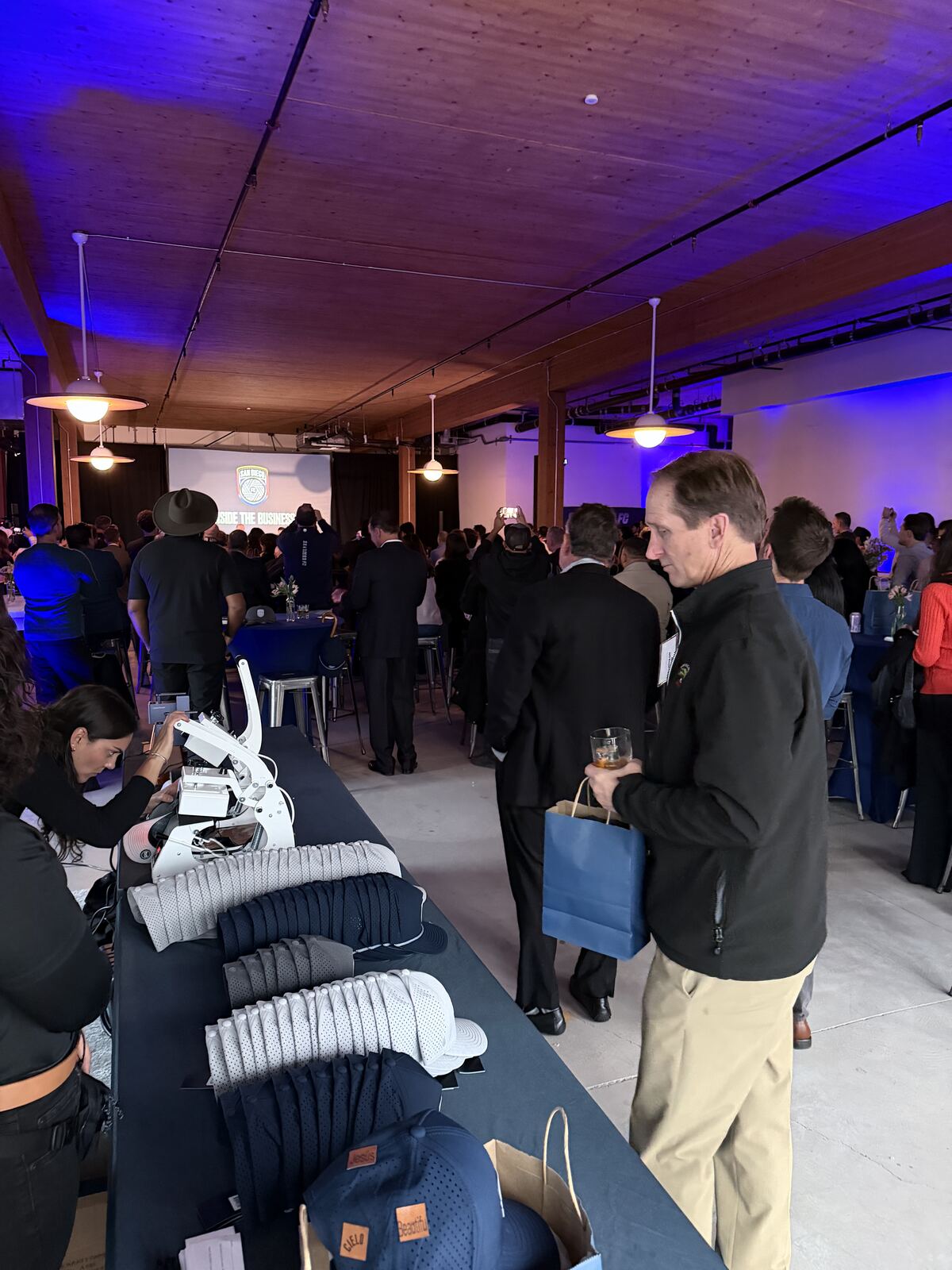
Touring merch has always been a forecasting exercise done badly. You guess how many mediums Denver wants, guess again for Seattle, print all of it in one run twelve weeks out, then spend the routing hauling the sizes nobody picked. On-site merch printing for multi-day music tours reverses that: you carry blanks, not finished goods, and you decorate at the stand.
It works well, and it introduces its own logistics. Here is what a touring print operation actually involves.
What printing at the stand fixes
Three things, in order of how much money they represent.
First, dead inventory. Pre-printed runs strand sizes in the wrong market, and by night six you are carrying boxes across the country that will never sell. Blanks do not have that problem, because an unprinted shirt is still worth what you paid for it.
Second, sellouts. The design that moves in one city moves in every city after it, and a pre-printed run cannot respond. A press can print what is selling tonight until the blanks run out.
Third, city and date pieces. Twelve separate pre-runs for twelve markets is expensive and slow. Printing on site makes a city-specific shirt a five-second change to the transfer, which is also the item fans photograph.
The rig, and the inventory that follows it
A touring station is a road case, a press, a stand table and consumables. The press is the heavy item, so plan for a lift gate or two people on every load-in, and keep a spare heat platen or a second unit on anything longer than a week. A press failure on a Tuesday with no backup ends the operation for the rest of the routing.
Power is the variable that changes at every stop. Each press wants a dedicated 20-amp circuit, and merch areas in older clubs are frequently fed off one shared run with the bar cooler and the tour laundry. Put the question on the advance rather than discovering it at 5pm. A clubs-and-theatres routing usually fits a sprinter; two stations plus blanks usually means a box truck.
On the inventory side, carrying blanks for the whole tour is the simplest approach under roughly eight dates. Beyond that, plan a restock mid-routing shipped to a venue or hotel, timed to a day off so a human is present to sign for it. Address it to a named person with the date on the box, and confirm receipt before you leave the previous market.
On quantity, work from the sellable audience rather than capacity, and weight the middle of the size curve hard. Regional variation is real but modest, and the beauty of blanks is that a miss carries forward instead of becoming a write-off. Keep the extreme sizes thin and restock them from the road if a market surprises you.
One discipline that pays: count blanks at the end of every night and log what printed. Six shows in, that log tells you more about your audience than any pre-tour projection did. Our planning guide covers the same math for single events.
Questions to put on the venue advance
- Load-in time and access to the merch area — some rooms do not open the concourse until doors.
- Available circuits at the stand, and whether anything else shares them.
- The venue merchandise percentage, and specifically whether printed-on-site items are treated the same as pre-printed stock. Ask in writing.
- Who is the seller of record, and who is handling state and local sales tax in that jurisdiction.
- House merch staff rules. Some rooms require their own sellers to handle the transaction even if your crew runs the press.
- Table footprint and whether you can put a second table behind for staging.
None of these are exotic, and every one of them has ended a print operation for a night somewhere.
City-specific designs without twelve redesigns
Build one base lockup with a defined blank area, then treat the city and date as a swappable block. Produce the city blocks in advance on gang sheets so a stop change is a matter of pulling the right transfer, not a new production run.
Lock artwork about ten business days before the first date so transfers and blanks land without rush charges. Add markets later if the routing extends, but do not leave the base design open — every day of indecision compresses the production window for all twelve cities at once.
For the one shirt you know will move at every stop, a two-colour screen print run still beats printing it live on cost per piece. Mixing a pre-printed staple with a live station is a perfectly sensible tour merch table.
The shape of the evening
Merch sells in three windows: doors, set break, and the twenty minutes after the encore. That last one is the largest and the least forgiving, because the room empties whether or not your line has moved.
Use the headline set to pre-stage. Pre-press the popular sizes, cue transfers for the two designs that have been selling, and have blanks sorted and facing the right way. Then cut the menu during the rush — three options move a line close to twice as fast as eight, since choosing takes longer than pressing. At 60 to 90 pieces an hour per station, a single press covers most club and theatre rooms; sheds and festival dates want two. See what drives the cost for how station count changes the number.
Frequently asked questions
Should we ship blanks ahead or carry them on the truck?
Under about eight dates, carrying is simpler and you keep control of your inventory. Past that, ship a restock to a venue or hotel mid-routing and time it to a day off so somebody is there to receive it. Always ship to a named person with a date on the label, because venue mailrooms are not warehouses.
Is a press quiet enough to run during a set?
The press itself is not loud, but the platen release and the peel are sharp sounds and the station generates real heat. In a club, place the stand away from the room or run only between sets. In sheds and arenas, where the merch area is already a separate concourse, it is a non-issue and you can print straight through.
How many designs should a tour offer at a live station?
Three to five is the sweet spot. Enough that a returning fan sees something new, few enough that the line does not stall on the choosing step, which is always the slowest part. Keep one tour staple, one city or date piece, and one or two rotating options.
Send us the routing
Give us the dates, room sizes and how many markets need their own artwork, and we will come back with a rig spec, a blanks plan and a per-city cost. Travel outside Southern California is a flat add. Call (562) 614-4800 or get a quote.
Book the crew
Ready to plan yours?
Send the date, venue, and guest count and we'll build the on-site station plan.